
Restoration Through What We Consume

Restoration is not abstract. It begins with what we willingly pour into the body every single day. Fluids are not neutral. They either burden the system or assist it, quietly, repeatedly, without ceremony. Two commonly overlooked agents of restoration are citrus juice and herbal tea. They are often discussed casually, but their physiological effects are anything but trivial.

Citrus Juice and the Sharp End of Nature

Citrus juices such as lemon, lime, and orange are defined by their acidity and Vitamin C content, and both matter. Vitamin C plays a direct role in immune defense, supporting the body’s ability to respond to infection and environmental stress. Beyond immunity, citrus juice has a specific and measurable interaction with true teas such as green and black tea. When added, citrus significantly increases the absorption of catechins, the antioxidant compounds responsible for many of tea’s protective effects. Without citrus, a large portion of those compounds simply pass through unused.

Citric acid also functions as a natural diuretic and has been shown to reduce the likelihood of kidney stone formation by increasing urinary citrate levels. This is not folklore. It is chemistry.

Digestively, citrus, particularly lemon, stimulates bile production and can assist the cleansing and movement of the digestive tract when used intentionally rather than excessively. That said, citrus is not without consequence. Even natural fruit sugars accumulate. Calories add up. For those seeking daily, repeatable restoration without metabolic cost, citrus must be used strategically, not constantly.

Herbal Tea as Daily Discipline

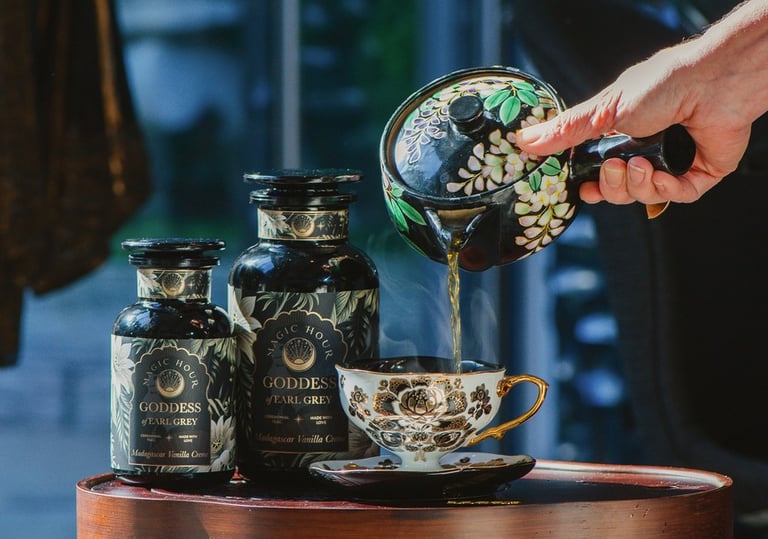
Herbal teas are not teas in the caffeinated sense. They are infusions of leaves, roots, flowers, fruits, and spices. They are naturally caffeine-free, sugar-free, and remarkably effective when chosen with purpose. As a baseline, herbal tea supports hydration without burden. No glucose spikes. No caloric drag. Just water made functional. Different herbs serve different restorative roles.

Ginger supports digestion, reduces inflammation, and calms nausea. Chamomile slows the nervous system and supports rest and sleep. Peppermint eases gastrointestinal discomfort while providing a mild, clarifying stimulation. Many herbal infusions contain polyphenols and other plant compounds that lower systemic inflammation and reduce long-term risk factors associated with chronic disease. This is strong, steeped medicine, not spectacle.

The Critical Distinction

Herbal tea is preferred here for one simple, non-negotiable reason. It is sugarless.

Not metaphorically. Literally. When restoration is practiced daily, sugar becomes a liability. Herbal tea offers repetition without penalty. That is why it earns priority. For those who want to explore a structured herbal approach to metabolic and restorative support, the resource linked here provides a starting point without requiring belief, loyalty, or lifestyle theatrics.

Where Citrus Still Has Its Place

None of this dismisses citrus entirely. Used deliberately, citrus can be exceptional. For those interested in a citrus-forward formulation designed around metabolic engagement rather than casual consumption, the following product exists as an option, not a mandate albeit an ideal option.

Citrus is sharp. Herbal tea is steady. Restoration demands that you know when to use each.... And when to just drink hot water instead. Which would be first thing in the morning, after oral hygiene and before coffee.

Repair Yourself from the Inside Out – No White Coats Required!

Let’s get one thing straight: no one—and I mean no one—is coming to save you, especially not the so-called “doctors” who clock in and out like it’s a 9-to-5 and forgot what the Hippocratic Oath even means. You want healing? You want vitality? You want your body to actually thrive? You’re going to have to take your power back—and it starts with what you consume.

Forget the pharmaceutical Band-Aids and learn this now: your kitchen is the real clinic. Your herbs and spices are the real medicine. And your daily ritual meals? That’s the real preventative care, right there.

Let’s talk ginger—that spicy root isn’t just for nausea. It’s a full-spectrum anti-inflammatory warrior that can cut through oxidative stress like a knife through butter. Gut issues? Cleared. Immune system dragging? Revved up. Cardiovascular support? Delivered.

Then there’s saffron, the gold standard of ancient remedies. You think it’s just expensive for no reason? Think again. It’s a mood balancer, a libido booster, a PMS killer, and a metabolic ally—all in one radiant little thread of crimson. Clinical studies and real-world consumption prove it: saffron can actually lighten depressive symptoms and improve sleep, not to mention help manage blood sugar and even reduce your appetite. How’s that for holistic medicine?

Still think tea is just hot water with leaves? Wake up. Herbal teas and elixirs—when done right—aren’t just cozy comfort drinks. They’re biological tune-ups. We’re talking:

  • Boosting your immune system like nature’s multivitamin

  • Fighting off inflammation from poor diet, stress, and environmental toxins

  • Supporting cardiovascular health so your heart doesn’t just beat—it thrives

  • Reducing cancer risk without the side effects of synthetic drugs

  • Helping your metabolism do more than just exist

  • Slashing your risk of heart attack, lowering blood sugar, and raising your energy

  • Reducing stress, menstrual pain, and muscle spasms—you name it

  • Balancing cholesterol, blood pressure, and improving circulation

  • Keeping your skin and hair healthy, because yes—real healing is skin-deep and beneath it. So, what are you even doing?!